Jakarta, 2 October 2026 – The Indonesia tourism market continues to expand its presence in international tourism markets, industry collaboration is becoming increasingly important in connecting destinations with travelers. Beyond promoting attractions, tourism businesses need opportunities to establish commercial relationships, develop relevant travel products, and reach audiences through established distribution channels.
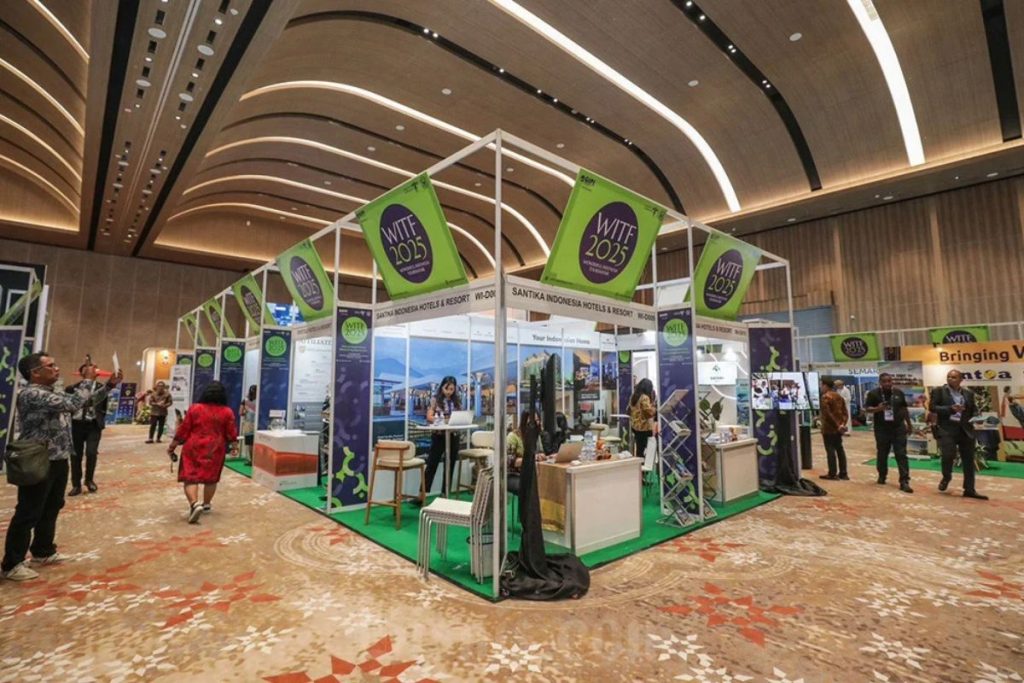
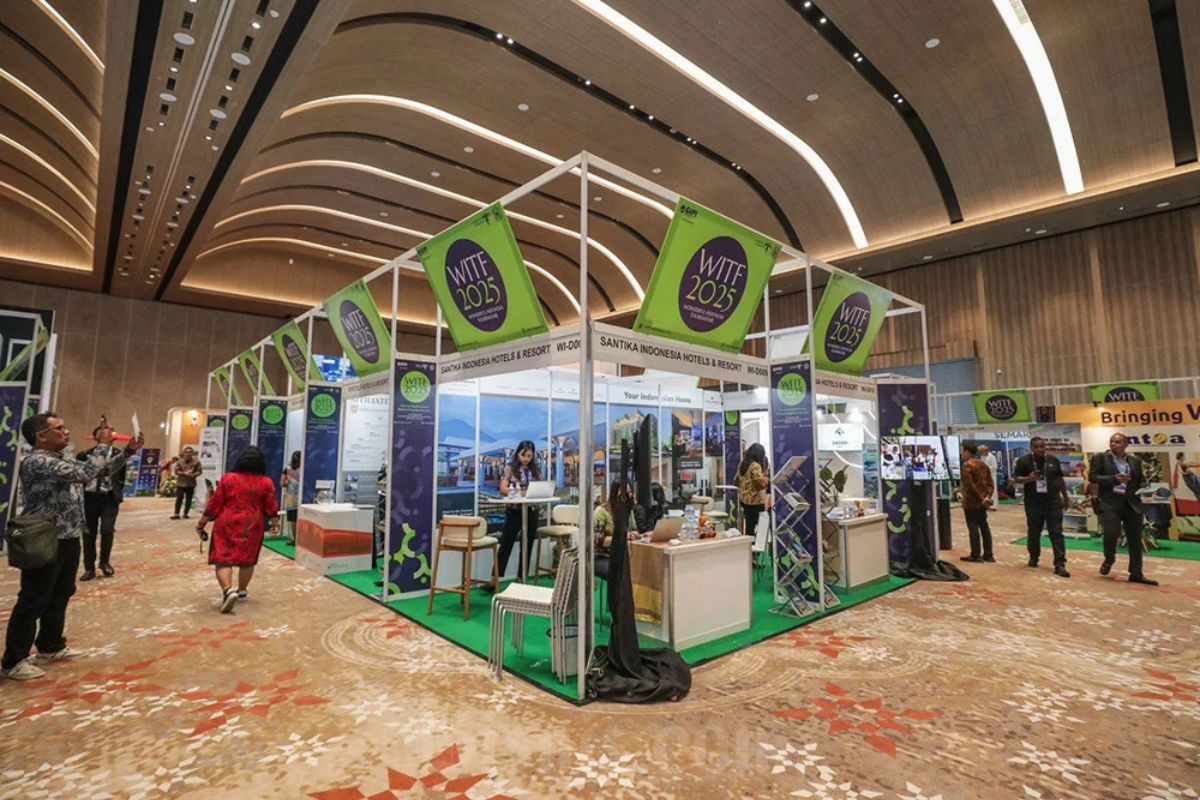
One platform supporting this effort is the Wonderful Indonesia Tourism Fair (WITF) 2026, which returns for its third edition on 15-17 October 2026 at JIExpo Kemayoran, Jakarta. Organized as a business-to-business tourism platform, the event brings together tourism suppliers and buyers to strengthen Indonesia’s access to domestic and international markets.
According to Indonesia’s Ministry of Tourism, WITF 2026 is expected to welcome more than 100 international buyers from 34 countries, alongside more than 200 domestic buyers. The event’s theme, “Beyond Borders: Shaping the Future of Indonesian Tourism,” highlights the importance of building connections that support the industry’s development.
Building Connections Beyond Destination Promotion
International visibility is an important step in attracting travelers, but turning that visibility into business opportunities requires collaboration across the tourism value chain. Hotels, travel agents, airlines, transport providers, restaurants, attractions, and local tourism operators each contribute to how visitors discover and experience a destination.
Business-to-business platforms such as WITF allow these players to meet prospective partners, explore new markets, and develop products that respond to different traveler needs. For Indonesian hospitality businesses, such connections can expand distribution opportunities and establish relationships with travel agencies, tour operators, and other commercial partners.
These relationships can also support travel products that combine accommodation with dining, cultural experiences, wellness activities, and local attractions. By bringing complementary offerings together, businesses can create more reasons for travelers to explore a destination while contributing to a broader tourism ecosystem.
However, meaningful results depend on what happens after the initial introduction. Consistent follow-up, commercially relevant offerings, and reliable service delivery remain essential to turning business discussions into sustained demand.
Indonesia Tourism Market: Opportunities for Hospitality
For hotels, reaching international markets involves more than making a property visible to prospective guests. It requires an understanding of target audiences, appropriate sales channels, and a positioning strategy that communicates why a property or destination is relevant to their travel plans.
Each destination also serves different travel motivations. Bali attracts visitors seeking beach experiences, dining, wellness, and lifestyle activities, while Lake Toba offers opportunities to explore nature, regional culture, and local heritage. Jakarta, meanwhile, serves as a business and urban travel hub, connecting corporate travelers with the capital’s commercial and leisure offerings.
These differences highlight the importance of developing hospitality products around each destination’s characteristics rather than relying on a uniform approach to market development.
International partnerships can help hotels reach prospective guests through channels that complement their own marketing activities. They can also connect accommodation with experiences beyond the property, strengthening the relationship between a hotel stay and the surrounding destination.
At the operational level, capturing these opportunities requires coordination between sales, marketing, revenue management, and hotel teams. Market insights must inform how properties communicate their value, structure their offers, and deliver guest experiences that meet the expectations of different customer segments.
The Role of Hospitality Management in Market Development
As Indonesia’s tourism industry develops its international connections, hospitality management companies have a role in translating market opportunities into practical strategies for individual properties.
At Marclan International, hotel management involves supporting properties through commercial positioning, marketing coordination, and operational direction while recognizing the distinct identity of each destination and hotel brand.
This approach is relevant in a diverse market such as Indonesia, where properties serve different audiences, from urban business travelers to visitors seeking cultural experiences or extended stays in leisure destinations. Each requires an appropriate combination of positioning, distribution, partnerships, and guest engagement.
Collaboration with travel trade partners, destination stakeholders, and complementary businesses can further strengthen these efforts. However, external partnerships must be supported by clear brand positioning and consistent service delivery to build guest confidence and encourage repeat visits.
The objective is to establish a commercial foundation that supports individual properties while contributing to the wider destination’s development.
Turning Industry Collaboration into Long-Term Value
WITF 2026 provides an opportunity to strengthen relationships between Indonesian tourism suppliers and buyers from different markets. For businesses operating in the Indonesia tourism market, the longer-term value of these connections will depend on how effectively they develop relevant products, maintain partner relationships, and translate discussions into measurable commercial outcomes.
For Indonesia’s hospitality sector, expanding market access is part of a broader effort to develop a more connected tourism ecosystem. Destination promotion, distribution partnerships, property-level strategy, and guest experience all influence how effectively businesses respond to emerging opportunities.
As the sector continues to explore international markets, collaboration between tourism stakeholders and hospitality operators can help connect Indonesia’s diverse destinations with a wider range of travelers. By translating industry connections into relevant experiences and lasting commercial relationships, hospitality businesses can contribute to tourism development that extends beyond individual campaigns or events.