In a metropolitan city like Jakarta, Ramadan unfolds differently from quieter towns. The rhythm of the holy month blends with the pulse of traffic, deadlines, meetings, and long commutes. For many professionals, the final hours of fasting are spent at their desks, in meeting rooms, or navigating crowded streets on the way home.
In this urban setting, the symbolic act of waiting for iftar becomes a shared experience. The collective anticipation of dusk turns an ordinary office atmosphere into something more reflective and connected.
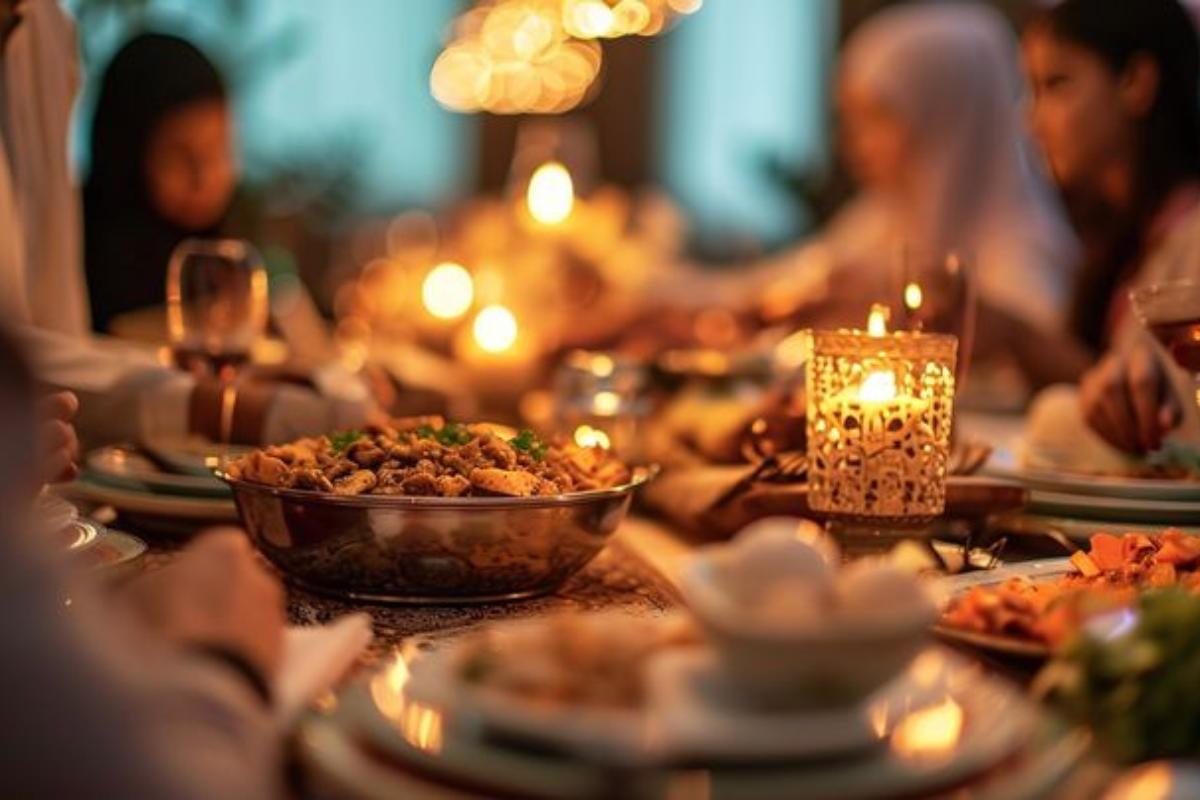
As soon as the call to prayer starts, it signals time to break the fast, what follows is often more than just a meal. Breaking the fast together transforms a routine workday into a meaningful social moment. Iftar becomes not only about nourishment after a demanding day, but also about companionship.
Hotels as accessible gathering points amidst traffic and distance
Jakarta’s workforce is highly mobile. Many commute across districts daily. During Ramadan, the rush to return home before dusk often coincides with peak traffic hours. Unexpected delays can make it difficult to prepare for or enjoy iftar comfortably at home. The physical fatigue of commuting while fasting adds another layer of challenge.
Instead of facing long journeys on an empty stomach, many urban dwellers now choose to gather closer to their workplaces. This shift has positioned hotels as practical yet welcoming spaces for spontaneous or planned iftar gatherings. Thankfully, hotels usually also offer iftar buffet packages fit for those who seek to break their fast with friends, family or colleagues.
Hospitality venues offer convenient alternatives for individuals, friends, and corporate teams to break their fast without added stress. Accessible parking, curated menus, and ready-to-serve meals eliminate the logistical pressure, allowing guests to focus on what truly matters.
Strategic Hospitality Spaces for Urban Iftar
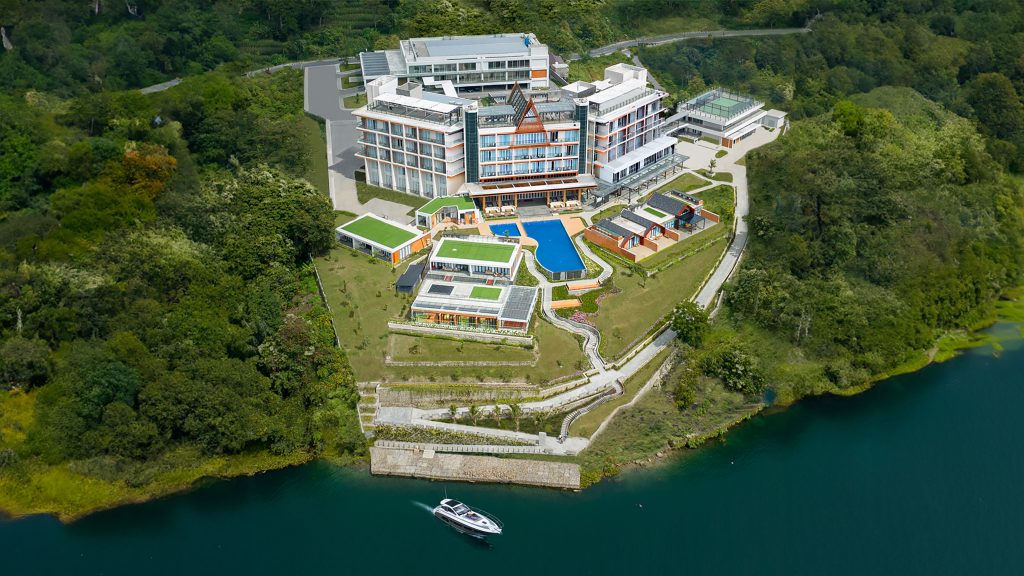
Strategic location plays a significant role in this evolving Ramadan culture. TMG Hotel Jakarta offers accessible proximity to major business districts including Kuningan and the Kota Kasablanka area, making them a natural choice for professionals seeking efficiency and comfort.
Meanwhile, Hotel Des Indes Menteng sits in the heart of Central Jakarta, ideal for office workers in nearby commercial zones. Its central setting allows guests to transition seamlessly from work to iftar gatherings without battling excessive traffic.
This practicality transforms hotels into more than accommodation providers. During Ramadan, they become transitional spaces. Bridging professional responsibilities and personal reflection in one setting.
Iftar events as planned social rituals in metropolitan settings like Jakarta
In urban environments, iftar has evolved into a scheduled social engagement. Invitations come one at a time from colleagues, alumni groups, extended families, and community circles. What once may have been a spontaneous meal at home is now often carefully arranged weeks in advance.

Corporate teams frequently organize group iftars as part of seasonal bonding initiatives. Beyond the workplace, friends and relatives use Ramadan as an opportunity to reconnect, choosing comfortable and neutral hospitality settings that accommodate diverse schedules and locations.
Corporate and community iftars taking place in hospitality venues
Venues such as TMG Hotel Tebet and Hotel Des Indes Menteng provide curated iftar programs suited for corporate teams, community reunions, and extended family dinners. With thoughtful service and prepared settings, guests can focus on connection and conversation.
In the heart of a fast-paced metropolis, the simple act of waiting and breaking the fast together becomes a powerful reminder of community. Within hotel dining rooms, office colleagues become companions, clients become partners in conversation, and friends become family around the table. In a city that rarely slows down, hospitality spaces have become an essential part of making that pause meaningful.