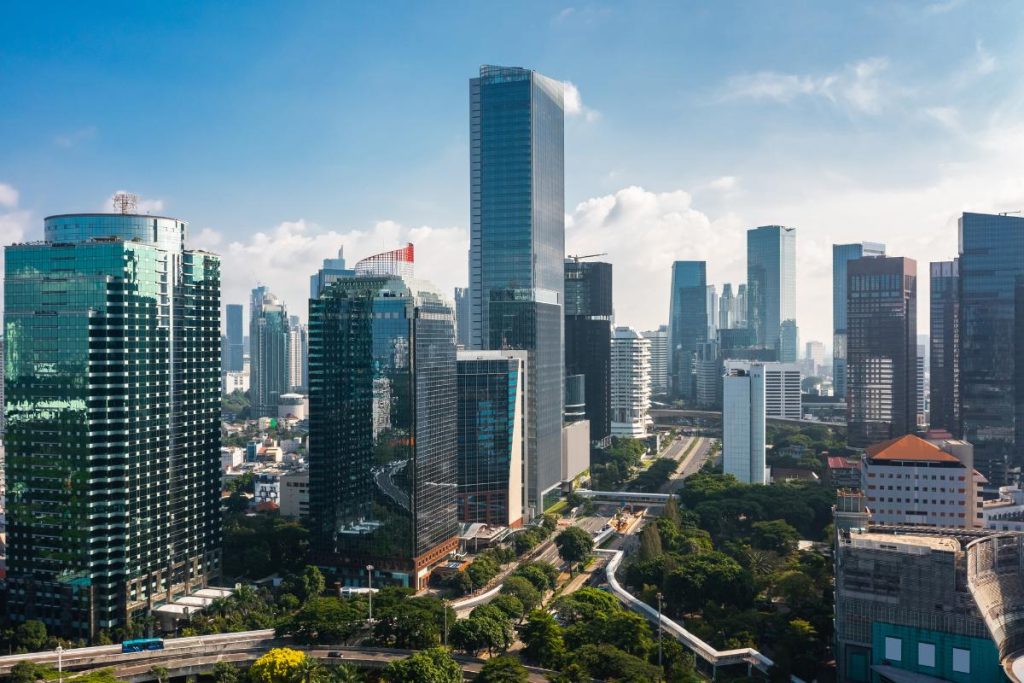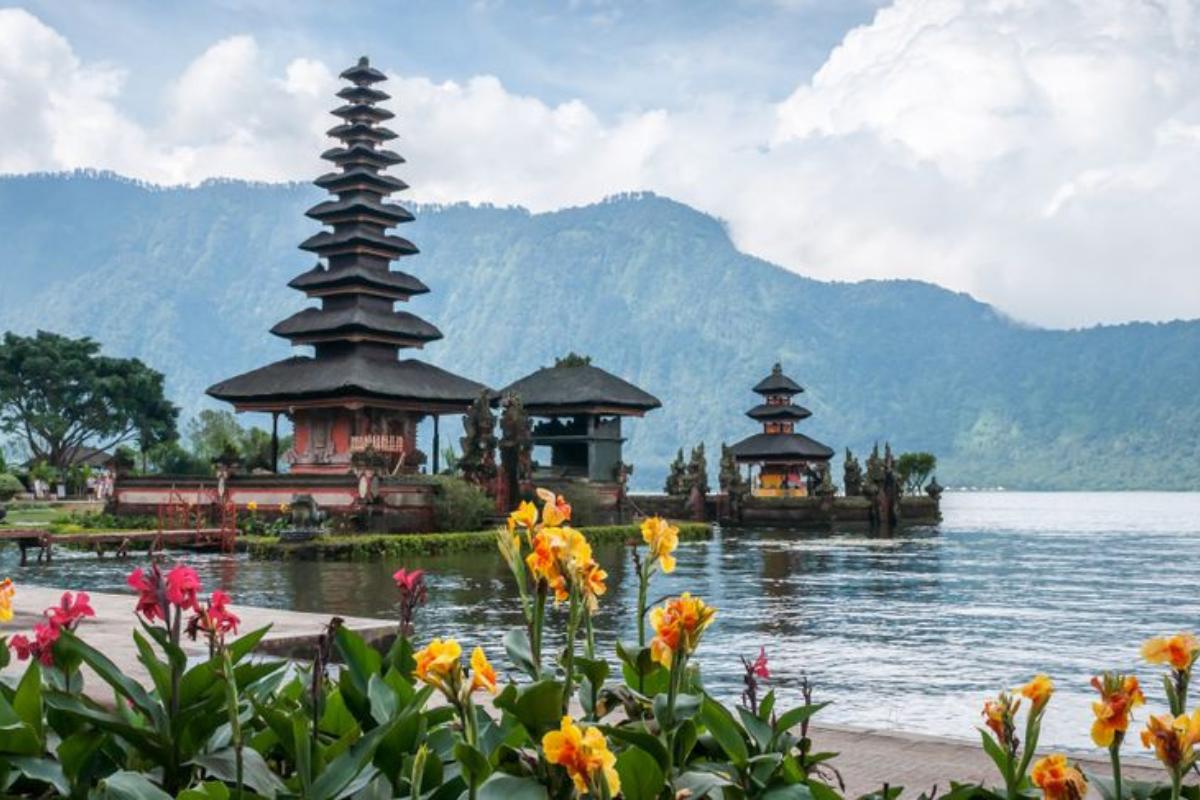
Most days, Bali moves at a lively rhythm. Motorbikes buzz through streets, beach clubs play music until sunset, and travelers gather at cafés and temples across the island. Yet once a year, this vibrant destination transforms completely.
As the Balinese welcome the Saka New Year, the island turns quiet. For 24 hours, Bali falls into stillness. Work stops, shops close, flights are suspended, and roads remain empty. Even lights are kept to a minimum. Visitors, like locals, remain within their hotels as the island collectively steps away from daily activity.
This year, Nyepi falls on 19 March, marking a new beginning guided by the Balinese philosophy of Tri Hita Karana, which emphasizes harmony between the spiritual realm, the human world, and nature.
Lebaran and Nyepi in Bali: Two Celebrations in Harmony
This year brings a unique dynamic to Bali, as Nyepi may occur close to the celebration of Idul Fitri, or Lebaran.
In many parts of Indonesia, the night of takbiran is usually celebrated with vehicle parades, the beating of bedug drums, and loudspeakers echoing throughout cities. In Bali, however, when this moment coincides with Nyepi, the tradition adapts to the island’s spirit of quiet reflection.
The Ministry of Religious Affairs, together with local authorities, religious leaders, and community representatives, has agreed on special guidelines so both observances can take place respectfully. Muslims are still allowed to perform takbiran at nearby mosques or prayer halls on foot, but without loudspeakers, fireworks, and with minimal lighting within a limited timeframe in the evening.
These arrangements reflect one of Bali’s strongest values: harmony in diversity. While Hindus observe Nyepi through silence and reflection, Muslims can still welcome Idul Fitri in a simple yet meaningful way.
Rituals Leading to the Day of Silence
Three days before Nyepi, the Melasti ceremony takes place along Bali’s beaches and sacred water sources. Communities dressed in white ceremonial attire gather, carrying temple heirlooms and sacred objects to the sea. The ritual symbolizes purification, cleansing both people and the natural world of negative energy before the new year begins.
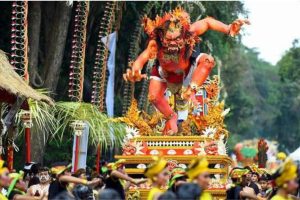
On the eve of Nyepi, villages across the island hold Pengrupukan, a ritual intended to drive away Bhuta Kala, or negative spirits. As night falls, the streets come alive with the dramatic procession of towering Ogoh-ogoh statues, large crafted figures representing negative forces. Accompanied by the rhythmic sounds of wooden gongs, torchlight, and communal chanting, the parades create an atmosphere that is both festive and symbolic.
As midnight approaches, the celebrations come to an end. The statues disappear, the music fades, and Bali prepares for a day unlike any other.
Experiencing Nyepi from Berawa Beach
In the Berawa area, the sound of ocean waves replaces the usual hum of traffic, while the shoreline stretches out almost undisturbed.

From the balconies of Swarga Suites Bali Berawa,
As evening arrives, the absence of surrounding city lights allows the sky above the coast to appear especially vivid. Stargazing from the property’s open areas becomes one of the quiet highlights of the day, offering a moment to experience Bali in a way few travelers ever do.
which overlook Berawa Beach, guests can witness a rare sight: a stretch of coastline free from the crowds that typically gather there at sunset. The hotel’s garden and pool areas offer quiet corners where visitors can spend the day reading, reflecting, or simply listening to the sound of the sea.
As night falls, the absence of city lights around the area makes the sky above the beach appear clearer and more luminous. Stargazing from the property’s open spaces becomes one of the most peaceful moments of the day, offering a rare opportunity to experience Bali in a way few travelers ever do.
Bali Before Nyepi
Visitors can also immerse themselves in Balinese culture through a variety of performances and celebrations across the island. At Garuda Wisnu Kencana Cultural Park, for example, cultural shows and activities highlight the richness of Balinese traditions.
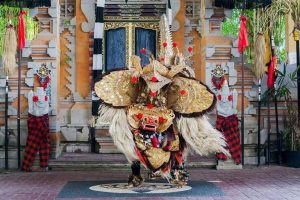
Among the highlights are performances of the Barong dance, which depicts the eternal battle between good and evil through elaborate costumes and traditional gamelan music. The story reflects the philosophy of Rwa Bhineda, the idea that opposing forces must coexist in balance.
Such performances offer visitors a deeper appreciation of the traditions that shape Nyepi and the cultural beliefs behind the island’s most unique celebration.
The Morning After
As the sun rises the day after Nyepi, Bali gradually returns to motion. Shops reopen, scooters reappear on the roads, and the island’s familiar energy returns.
Yet for those who experienced the previous day from a quiet corner of the coast, the memory often lingers. Watching Bali pause offers a rare glimpse of the island’s spiritual roots and the deeper rhythms that shape its culture.