Have you ever felt tempted to order a dish just by looking at its photo on social media? Or instantly booked a hotel after seeing a beautifully styled buffet image on a booking platform? You’re not alone. In today’s digital and visual-first world, food photography plays a significant role in shaping perceptions and triggering decisions. Often, long before taste or smell comes into play. In the hospitality industry, food photography is no longer just a documentation tool. It has become the first gateway into the experience that a brand seeks to deliver.
Why Food Photography Matters
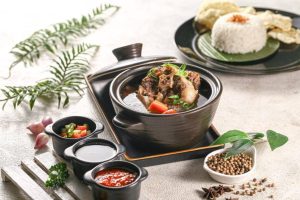
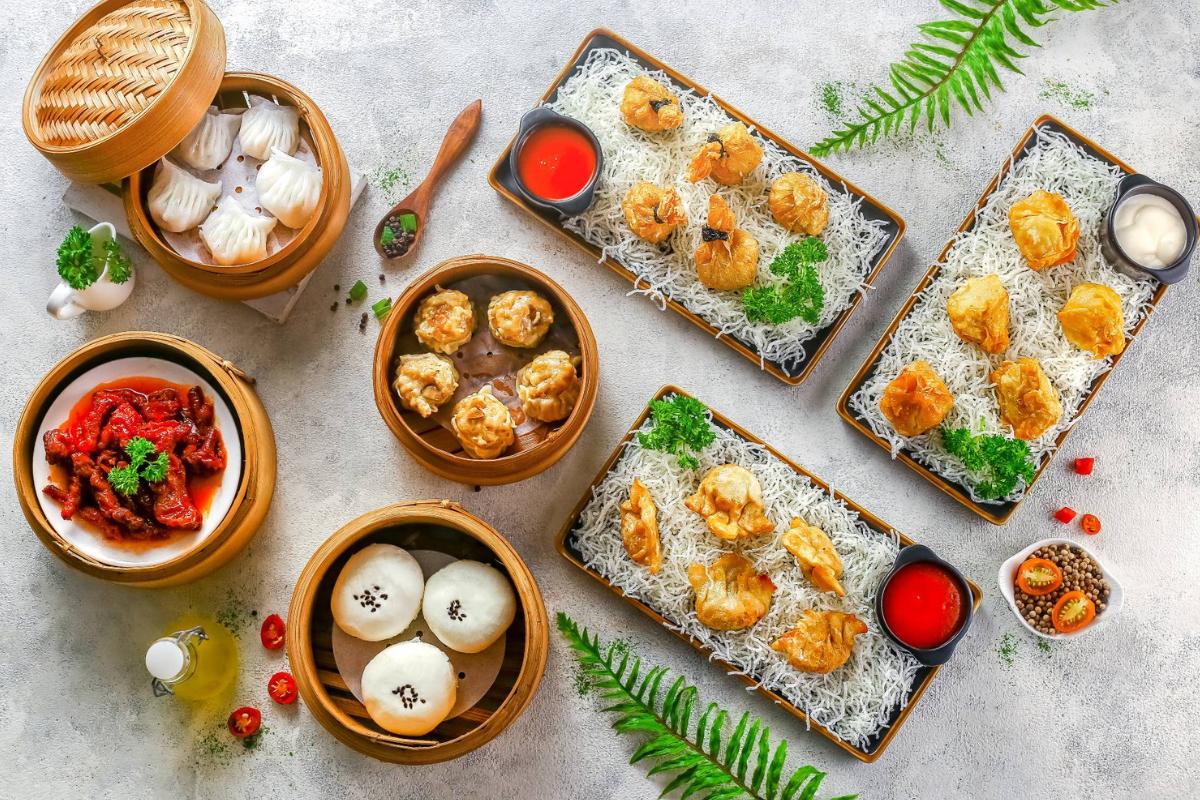
Paloma Restaurant, Hotel Des Indes Menteng, Marclan Collection
Today’s consumers make decisions differently. With the constant exposure to social media, online travel agents, and digital content, visuals have become a primary driver of action. Carefully styled dishes, warm lighting, and thoughtfully composed shots do more than just please the eye. They evoke emotions and spark curiosity. Ultimately, they trigger the urge to experience the dish in person.
According to data from Flavapp, restaurants that invest in professional food photography see a 30% to 40% increase in revenue within the first three months. Meanwhile, insights from Horizon Socials show that hotel accounts that consistently use visual storytelling see 40% higher conversions compared to those relying solely on product visuals without a narrative. This positions visuals not as an add-on, but as a core part of a brand’s communication strategy.
More Than Just Aesthetic Appeal
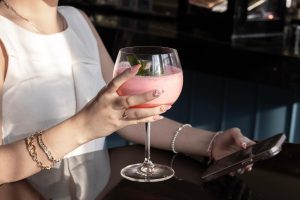
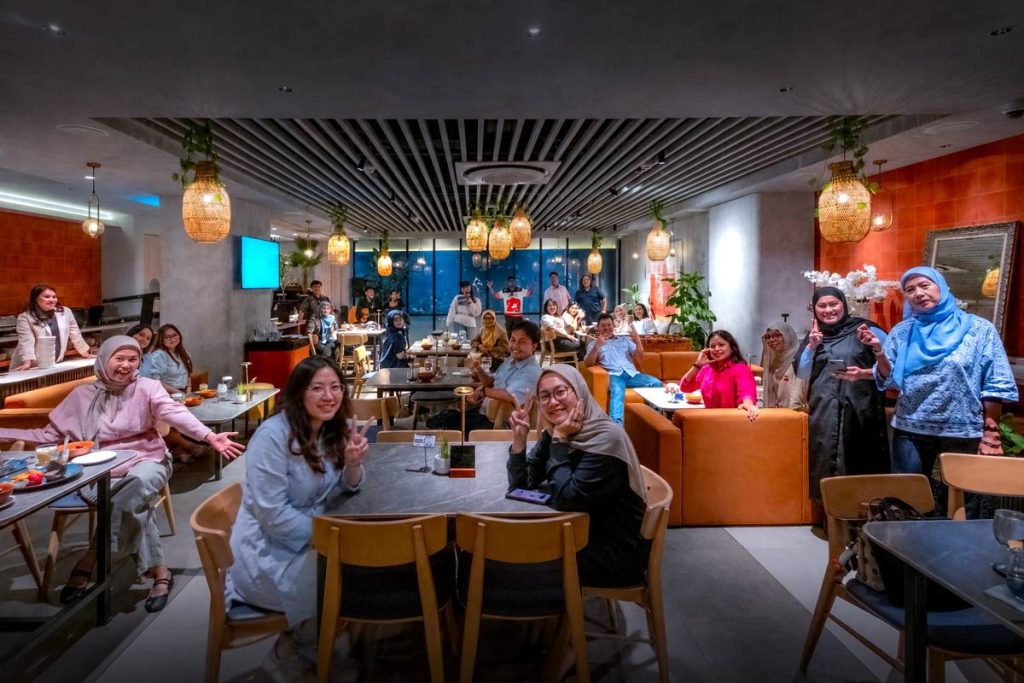
Harmonie Lounge & Bar, Hotel Des Indes Menteng, Marclan Collection
Food photography is a creative discipline focused on capturing food in a visually appealing and appetizing way. In the F&B industry, it has evolved into an essential element of marketing and communication strategies. Rather than being the final touch in a campaign, visuals now often serve as the starting point that shapes brand perception.
A great food photo can immediately communicate quality ingredients, thoughtful plating, and a venue’s personality. Especially in the digital age, where menus are often browsed online, visuals become the first point of contact. They are often the deciding factor on whether someone wants to try a dish. The tasting experience begins with the visual.
The challenge lies in the nature of the subject. Food doesn’t move, make sound, or emit aroma. The image must be strong enough to trigger the imagination. For instance, a bowl of hot soup can look flat if not styled and lit correctly. The same goes for a fresh, colorful salad that may lose its appeal without the right lighting technique.
Food Photography Meets Hospitality

Swarga Suites Bali Berawa, Marclan Collection
In hospitality, food photography goes beyond attracting attention. It plays a key role in shaping the overall brand experience. Hotel food visuals need to convey ambiance, service quality, and the value that a property offers.
Imagine seeing a promotional photo of a brunch by the pool. In a single frame, it captures more than just the dishes. It shows a warm atmosphere, morning sunlight, a calm pool reflection, and well-set tables that evoke comfort and serenity. These small details reflect the hotel’s attentiveness and elevate the photo from a simple product shot to an immersive experience.
In this context, the visual is not just meant to make you hungry. It’s designed to transport you into the scene, help you imagine the moment, and stir a desire to experience it for yourself.
Collaboration Behind the Frame
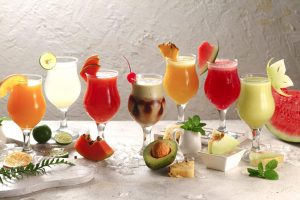
Paloma Restaurant, Hotel Des Indes Menteng, Marclan Collection
A powerful food photo is rarely the work of one person. It’s a collaborative process. The chef ensures consistent plating and presentation. The photographer handles the technical and artistic aspects to highlight each dish’s unique character. The communication and marketing team ensures the visual story stays aligned with brand identity and campaign goals.
In hotels, food photography isn’t just about making people hungry. It’s about capturing quality, ambience, and the brand promise in one image.
Turning Images Into Bookings

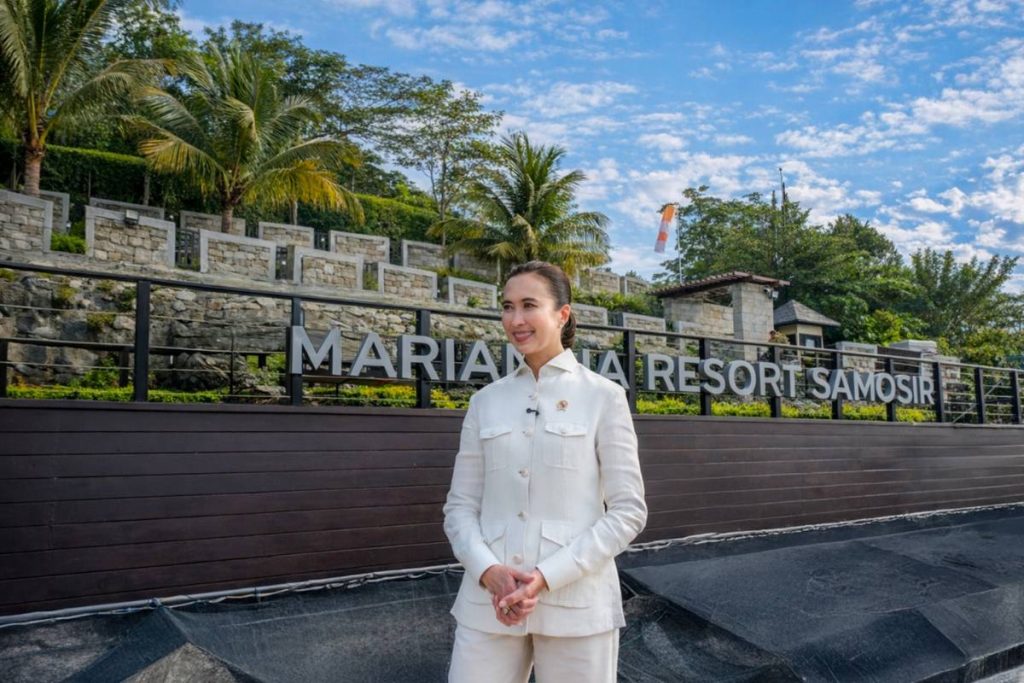
The Rise, Marianna Resort & Convention Tuktuk Samosir, Marclan Collection
The impact of visuals on booking behavior is significant. Often, a guest’s experience begins not when they arrive at the property, but when they see that one compelling photo.
According to TripAdvisor, properties with professional photography see up to 225 percent higher booking inquiries compared to those without. Listings with over 100 photos report increases as high as 238 percent.
In the context of food photography, this means a single image of a beautifully styled dish can be the final push that leads someone to click “Book Now.” A strong visual bridges taste, ambiance, and expectation, turning interest into real action.