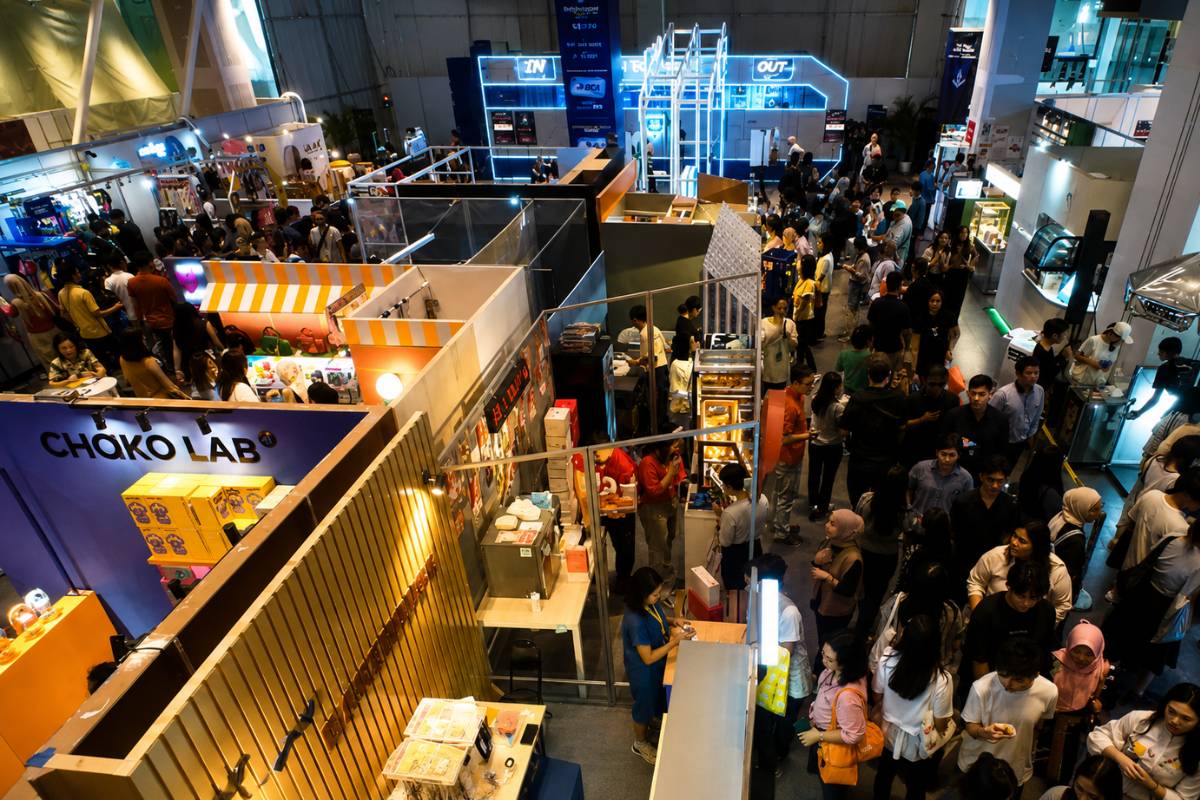
Jakarta, 29 May 2026 – Jakarta creative markets are no longer simply places to shop. Over the past few years, curated lifestyle events such as Brightspot City have evolved into social destinations. Visitors now come not only to purchase products, but also to enjoy atmosphere, culture, food, music, and community interaction.
This shift reflects a broader transformation in consumer behaviour, especially among city audiences. As a result, hospitality brands across hotels, resorts, cafés, and restaurants can no longer ignore this change.
Today’s consumers increasingly prioritise experiences over transactions. They are drawn to spaces that offer comfort, memorable environments, and opportunities for discovery. In many ways, Jakarta’s creative markets have become a blueprint for how modern hospitality spaces can stay relevant in an increasingly competitive lifestyle economy.
Jakarta Creative Markets Are Redefining Experiences
Traditional retail once focused mainly on products and transactions. However, the success of creative markets today lies in their ability to create engaging and memorable experiences.
Visitors often spend hours exploring curated booths, trying new culinary concepts, enjoying live music performances, and interacting directly with various brands. In fact, many arrive without a specific intention to shop. Nevertheless, they still end up spending both time and money because the overall experience feels enjoyable and meaningful.
“Creative markets show that people today increasingly value experiences that feel more personal and memorable. This also serves as an important lesson for the hospitality industry to continue creating spaces that are able to build genuine connections with visitors,” said the Head of Marketing of Marclan International.
For the hospitality industry, this shift offers an important lesson. Hotels and culinary destinations are no longer competing solely through facilities, menu selections, or room rates. Instead, consumers increasingly choose destinations based on atmosphere, storytelling, aesthetics, and emotional connection. In other words, hospitality is becoming more experience-led than product-led.
The Return of Offline Experiences
Despite the rapid growth of digital platforms, online shopping, and food delivery services, physical lifestyle experiences continue to attract large audiences. At first glance, this may seem contradictory. However, it reflects an important reality: digital convenience cannot fully replace human interaction and sensory experience.
People still seek social connection, spontaneous discovery, immersive environments, and memorable offline moments. Because of this, creative markets continue to thrive. They create spaces where visitors feel present, connected, and emotionally engaged.
For hospitality brands, this trend highlights the continuing value of physical spaces. Restaurants, cafés, and hotels are not merely operational venues. More importantly, they are places where people seek comfort, identity, and social experience.
F&B Has Become the Center of Lifestyle Spaces
One of the most visible aspects of Jakarta’s creative markets is the growing importance of food and beverage experiences. Today, F&B is no longer simply a supporting feature within lifestyle destinations. Instead, it has become a primary attraction that encourages visitors to stay longer, socialise, and engage more deeply with a space.
At the same time, consumers are becoming increasingly drawn to dining experiences that combine atmosphere, design, entertainment, and community interaction. Therefore, many hospitality brands are now investing in live music events, collaborative dining concepts, cultural activations, themed experiences, and community-based programming.
As a result, dining is no longer viewed purely as consumption. It has become part of entertainment and modern lifestyle culture.
Hospitality Spaces Are Becoming Cultural Hubs
Another important lesson from Jakarta’s creative markets is the growing demand for culturally relevant spaces.
Today’s consumers are increasingly attracted to venues that feel authentic, locally connected, and creatively curated. Furthermore, spaces that successfully combine hospitality with culture often generate stronger emotional engagement and higher social visibility.
Because of this, many modern hospitality venues are beginning to host cultural events, creative collaborations, art showcases, music performances, and community gatherings.
As the industry evolves, the line between hospitality venue, event space, cultural hub, and lifestyle destination continues to blur. Consequently, hospitality brands now have an opportunity to move beyond traditional service models and build stronger long-term relationships with audiences through meaningful experiences.
Why Jakarta Creative Markets Inspire Hospitality Brands
The growing popularity of Jakarta’s creative markets reflects a broader shift in how people spend their time and attention. Consumers are no longer simply looking for places to stay, eat, or shop. Instead, they seek spaces that offer atmosphere, discovery, connection, and memorable experiences.
For hospitality brands, the challenge moving forward is not only delivering quality products and services. Equally important is the ability to create environments that people genuinely want to revisit and talk about.
As the boundaries between hospitality, entertainment, retail, and culture continue to merge, experience-driven spaces may ultimately define the next phase of Indonesia’s hospitality industry.