Jakarta, 22 May 2026 – The growth of Jakarta’s food & beverage (F&B) sector no longer simply reflects increasing consumer spending but also a shift in how urban communities experience hospitality. Data from Bank Indonesia recorded an 8.5% increase in F&B sales for eight consecutive months at the end of last year, while Jakarta’s lifestyle economy continues to show positive momentum entering the first quarter of 2026.
Jakarta F&B growth continues to reshape how urban consumers experience modern hospitality and lifestyle destinations.
Changing urban consumer behaviour also fuels this growth. Consumers no longer look only for places to dine or gather. They now seek destinations that combine atmosphere, service quality, culinary experiences, and social interaction.
Expansion Challenges Amid Jakarta F&B Growth
Amid growing market demand, the biggest challenge for hospitality and F&B brands today is no longer merely expanding business scale. Brands now face a bigger challenge: maintaining consistent quality and guest experiences across every expansion.
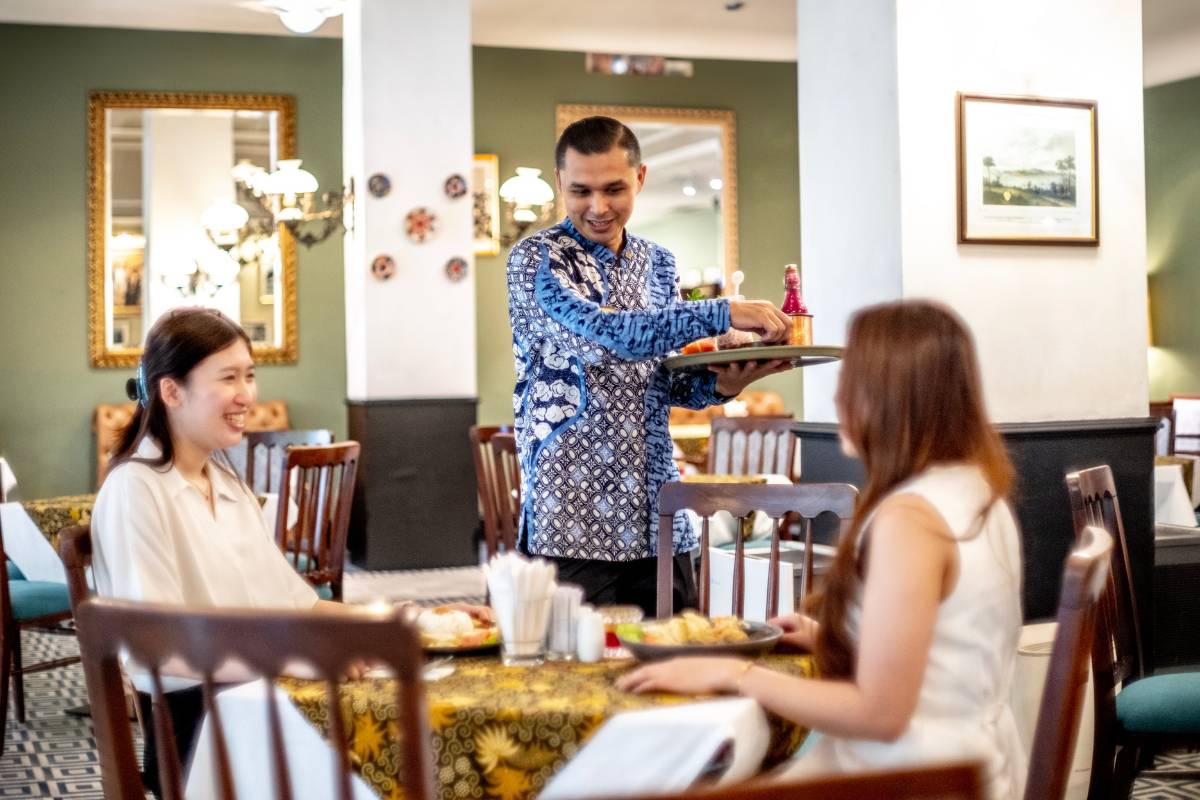
As F&B brands expand rapidly, consumers become more sensitive to generic and impersonal experiences. Operational standardisation helps brands maintain service consistency. However, hospitality cannot rely on systems alone. Personal touches, attention to detail, and the ability to create genuine connections with guests remain essential elements in delivering experiences that are both relevant and memorable.
Authentic Experiences in Jakarta’s F&B Industry
As the F&B industry becomes increasingly competitive, brands are also expected to grow without losing their identity. Consistency does not mean creating identical experiences, but rather ensuring that each destination continues to maintain a strong and authentic character.
Distinct storytelling, locally inspired concepts, and personalised guest experiences help brands build long-term relationships with consumers. Amid the growing number of lifestyle choices available, consumers increasingly value experiences that feel authentic and emotionally engaging.
“Indonesian cuisine has become one of the favourite dining experiences among our guests at Hotel Des Indes Menteng. Beyond its historical value and cultural connection, Indonesian dishes also offer a sense of familiarity that creates a more personal and memorable experience for our guests,” said Chandra Himawan, Head of Marketing Communications at Marclan International.
Jakarta’s growing F&B sector continues to create new market opportunities as urban consumer behaviour evolves. However, brands achieve long-term success not only through expansion but also through consistent operational quality and relevant guest experiences.
In today’s hospitality landscape, growth is no longer only about opening more spaces. Brands must also deliver experiences that feel consistent, relevant, and personal throughout the guest journey.